Gas Line Repair & Inspection in Hamilton Heights, Manhattan
Licensed, safety-first gas line repair Hamilton Heights Manhattan building owners and property managers depend on for code-compliant gas piping repair, digital pressure testing, appliance hookups, and NYC Local Law 152 inspection guidance.
Critical Gas Emergency Notice
If you smell natural gas (a rotten-egg sulfur odor), hear a hissing gas line, or suspect an active gas leak, leave the building immediately.
Do not operate electrical switches, light fixtures, or phones. Do not light matches or use open flames. Once safely outside at a distance, contact Con Edison immediately at 1-800-75-CONED (1-800-752-6633) or dial 911. Do not use this website or schedule regular service for active gas emergencies.
Strict Code Compliance for Manhattan Gas Systems
Natural gas systems in Hamilton Heights multi-family properties, co-operatives, and commercial storefronts operate under stringent municipal safety regulations. Under New York City Department of Buildings (DOB) regulations, all gas piping alterations, pressure tests, and mechanical connections must be executed under the direct supervision of a licensed master plumber.
General plumbing work must never be confused with regulated fuel gas work. Our diagnostic team provides code-compliant evaluations, pressure testing, repair planning, and testing coordination to ensure safe, legally compliant gas distribution.
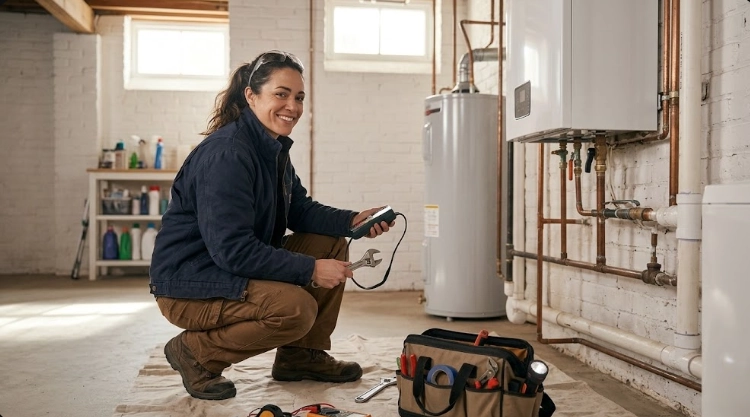
Precision Testing & Verification
From black steel branch runs to mechanical appliance connections, all gas repairs undergo strict pressure tests using digital manometers to guarantee leak-tight integrity before service restoration.
Comprehensive Gas Piping Services
We provide structured, code-compliant solutions for residential property managers, landlords, and co-op shareholders:
Routine Gas Piping Inspection & Defect Repair
Over decades of service, threaded black iron gas pipes can experience surface corrosion, loose bracket supports, or weeping threaded joint compound. Performing a professional gas piping inspection Hamilton Heights Manhattan identifies minor surface defects, pipe wall oxidation, and failing isolation valves before they trigger utility lockouts or safety violations.
Appliance Connections & Stove Gas Line Installation
Installing a new kitchen range, commercial cooktop, or gas dryer requires specialized shutoff valves and flexible stainless-steel connectors approved by NYC code. Proper gas line installation for stove Hamilton Heights Manhattan apartments ensures correct line sizing, non-combustible clearance, and leak-free performance. Handymen and unlicensed contractors are legally prohibited from connecting gas appliances in New York City.
Boiler and Water Heater Gas Supply Lines
High-demand mechanical systems including central heating boilers and commercial water heaters require dedicated high-capacity gas trains, gas pressure regulators, and drip legs. We inspect mechanical room gas trains for compliance and structural stability.
NYC Local Law 152: Periodic Gas Piping Inspections
Under New York City Local Law 152 (LL152), all buildings classified under the NYC Building Code—excluding one- and two-family homes (occupancy group R-3)—must undergo a mandatory periodic gas piping inspection once every four years based on community district schedules:
- Mandatory Inspection Scope: Inspections cover all exposed gas lines from the utility meter or point of entry up through public spaces, corridors, basements, and mechanical boiler rooms.
- Authorized Inspectors: LL152 inspections must be conducted exclusively by or under the direct supervision of a licensed master plumber approved by the NYC DOB.
- Reporting & Certification: Within 30 days of inspection, an official GPS1 inspection report must be submitted to the building owner, followed by filing with the DOB within 60 days to avoid heavy municipal civil penalties.
- Defect Remediation: If non-emergency conditions are noted, owners have 120 days to complete licensed repairs and submit certification of correction.
Repair Planning and Utility Coordination
When Con Edison or the NYC DOB locks out a building’s gas service due to an inspection failure, restoring service requires a structured sequence: filing DOB work permits, replacing defective black iron lines, performing high-pressure test stands witnessed by city inspectors, and completing the utility turn-on process. We help property managers navigate this complex process with clear, realistic timelines.
Need Gas Line Inspection or Appliance Hookup?
Whether you require a code-compliant stove connection, Local Law 152 guidance, or non-emergency piping evaluation in Hamilton Heights or Sugar Hill, speak directly with our team today.
Call (315) 202-8009Frequently Asked Questions
What should I do immediately if I smell gas in my apartment?
If you smell natural gas, evacuate the building immediately. Do not operate light switches, electronic doorbells, or phones inside. Once safely outside at a distance, call 911 or the gas utility (Con Edison at 1-800-75-CONED). Do not call a plumber first or attempt to locate the leak yourself.
What is NYC Local Law 152 and which buildings are affected?
NYC Local Law 152 mandates periodic gas piping inspections at least once every four years for all covered buildings, excluding standalone one- and two-family homes (R-3 occupancy). Inspections must be conducted by or under the direct supervision of a NYC Licensed Master Plumber, testing exposed piping from service entry to tenant spaces.
Can I install a gas stove myself or hire a general handyman?
No. Under the NYC Plumbing and Fuel Gas Code, all gas piping modifications, appliance shutoff installations, and appliance connections must be executed by licensed professionals. Work requires proper pressure testing to ensure gas-tight safety and prevent carbon monoxide or explosion hazards.
How is a suspected gas line leak tested in a residential building?
After emergency safety protocols confirm no immediate hazard, licensed professionals use calibrated combustible gas leak detectors, ultrasonic sniffers, and non-corrosive bubble testing on joints. In non-energized lines undergoing repair, pressure testing using mercury-free digital manometers confirms complete system integrity.
Consult With a Licensed Gas Specialist
Ensure absolute safety and full NYC code compliance for your residential gas piping. Call NY Plumbing today for expert guidance in Hamilton Heights.